
The Difference Between Rigging, Dogging and Crane Operations
While rigging, dogging and crane operation services often work hand in hand during lifting activities, they are not the same thing.
Understanding the difference is important when planning a project, allocating responsibilities, or engaging contractors for a lift. Each role requires specific skills, qualifications, and responsibilities, and all three play a critical part in ensuring lifting operations are completed safely and efficiently.
In this guide, we'll explain what each role involves, how they work together, and why experienced lifting teams combine all three disciplines.
What Is Dogging?
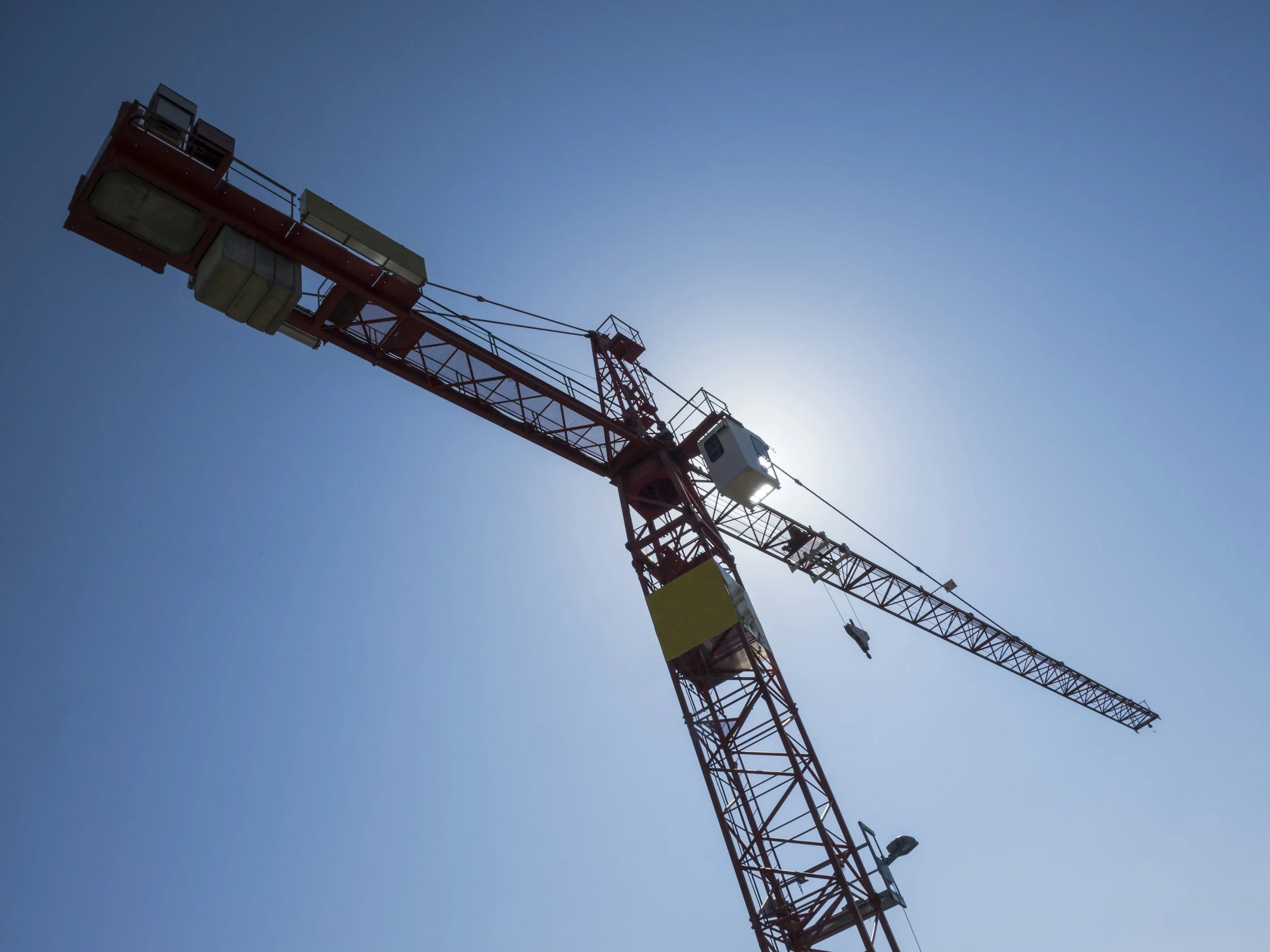
Dogging is the process of preparing and directing a crane lift.
A qualified dogman is responsible for ensuring the load can be lifted safely before it ever leaves the ground. This includes selecting the correct lifting gear, inspecting equipment, calculating load characteristics, attaching slings correctly, and directing the crane operator throughout the lift using approved hand signals or radio communication.
Typical dogging responsibilities include:
Inspecting lifting equipment before use
Selecting appropriate slings, shackles and lifting gear
Estimating or confirming load weight
Determining the load's centre of gravity
Attaching and securing the load
Communicating with the crane operator during lifting operations
Monitoring the lift until the load is safely positioned
Because the dogman is responsible for directing the crane, clear communication and site awareness are essential.
What Is Rigging?
Rigging involves planning and executing more complex lifting operations that extend beyond standard dogging activities.
While riggers perform many dogging tasks, they are also qualified to carry out advanced lifting work involving structural components, specialised lifting methods, temporary support systems, and engineered lifting solutions.
Rigging often requires a higher level of planning, technical knowledge, and coordination, particularly on commercial, industrial, and infrastructure projects.
Rigging work may include:
Installing structural steel
Mechanical plant installation and replacement
Heavy equipment relocation
Temporary lifting frames and support structures
Working in confined or restricted-access environments
Multi-crane lifts
Complex lifting methodologies
Lift planning and engineering coordination
Professional rigging is about far more than attaching a load to a crane—it involves understanding how the entire lifting operation will be executed safely from start to finish.
Read More: What Is Rigging?
What Do Crane Operators Do?
The crane operator is responsible for safely operating the crane itself.
Using information provided by the dogman or rigger, the crane operator controls the movement of the load throughout the lifting operation. Their focus is on operating the crane safely, maintaining stability, monitoring crane capacity, and responding accurately to lifting directions.
Responsibilities typically include:
Operating cranes safely within manufacturer limits
Conducting pre-start equipment inspections
Setting up the crane where required
Following lift plans and site procedures
Maintaining communication with the dogman or rigger
Monitoring wind, weather, and site conditions
Positioning loads accurately and safely
Although crane operators control the equipment, they generally do not determine how the load is rigged or attached unless they also hold the relevant high-risk work licences.
How Do These Roles Work Together?
Successful lifting operations rely on all three roles working together as one coordinated team.
A typical lifting operation often follows this sequence:
The lift is planned, including load assessments, crane selection, and methodology.
The rigger develops the lifting strategy and manages any complex rigging requirements.
The dogman selects and attaches the lifting gear, ensuring the load is prepared correctly.
The crane operator performs the lift under the direction of the dogman.
The load is safely installed before lifting equipment is removed.
Throughout the process, communication between every person involved is essential to maintain safety and efficiency.
Why Integrated Teams Deliver Better Results
On many commercial projects, engaging separate contractors for rigging, dogging, and crane operations can create unnecessary coordination challenges.
Integrated lifting teams like Millennium Rigging provide several advantages:
Better communication between personnel
Streamlined project coordination
Reduced delays during lifting activities
Improved safety through established working relationships
Greater accountability across the entire lifting operation
Simplified project management
When everyone works together regularly, lifting operations tend to run more efficiently, particularly on projects involving multiple lifts or complex installations.
Which Service Does Your Project Need?
The answer depends on the complexity of the lift.
Simple lifting tasks may only require dogging and crane operation, while more complex projects involving structural steel, mechanical plant, restricted access, engineered lifting solutions, or multiple cranes typically require qualified riggers as well.
An experienced lifting contractor can assess your project and determine the appropriate personnel, equipment, and lifting methodology before work begins.
Work With Experienced Lifting Specialists
At Millennium Rigging, our rigging service includes rigging, dogging, and crane operation for commercial, industrial, infrastructure, and mechanical projects across Melbourne, Adelaide, Hobart, Canberra, and surrounding regional areas.
Our experienced team plans and manages lifting operations from initial assessment through to final installation, ensuring every lift is completed safely, efficiently, and in full compliance with Australian standards.
Whether you're replacing rooftop plant, installing structural steel, relocating heavy equipment, or planning a complex lift, we have the expertise to deliver a coordinated lifting solution.